Controlling Emotions in Live Casinos for More Rational Decisions
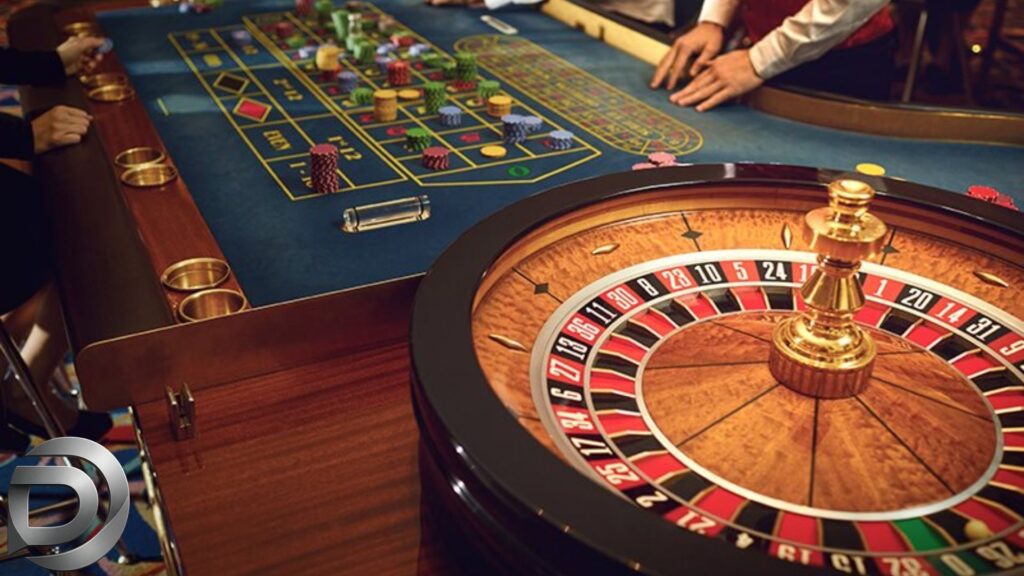
Live casino platforms create an immersive environment with real dealers, real-time streaming, and interactive chat features. Because of this realism, emotional reactions can be stronger compared to fully automated digital games. Winning streaks feel exciting, while losing streaks can feel personal.
However, rational decision-making in live casino environments depends on emotional control. Since every game includes a built-in house edge and operates under probability rules, stability comes from discipline—not from reacting to short-term outcomes slot gacor.
Calm thinking protects long-term balance.
Why Live Casinos Intensify Emotions
Live casino sessions often include:
- Dealer interaction
- Visible bets from other players
- Real-time commentary
- Social chat engagement
Seeing another player win a large bet or experiencing consecutive losses can trigger emotional responses such as urgency, frustration, or overconfidence.
Recognizing these triggers is the first step toward control.
Understanding Variance and Independence
In games like:
- Roulette
- Baccarat
- Blackjack
Each round follows defined probability rules. While streaks may occur, outcomes remain statistically independent within the game’s structure.
Important reminders:
- A losing streak does not increase winning probability.
- A winning streak does not guarantee continuation.
- Short-term patterns do not override house edge.
Clarity reduces emotional bias.
Step 1: Set Financial Boundaries Before Playing
Emotion often rises when financial exposure feels uncontrolled.
Before joining a table:
- Define a fixed session budget.
- Use 1–3% of bankroll per round.
- Set stop-loss and profit targets.
Predefined limits reduce reactive betting.
Structure strengthens rationality.
Step 2: Avoid Chasing Losses
One of the most common emotional mistakes is attempting to recover losses quickly.
Avoid:
- Doubling bets after losses
- Increasing stakes impulsively
- Switching tables emotionally
Chasing losses increases risk and weakens decision quality.
Patience preserves control.
Step 3: Slow Down Decision-Making
Live casino games provide natural pauses between rounds. Use this time to:
- Reassess bankroll position
- Confirm bet size calmly
- Take a brief breath before placing bets
Slowing internal pace improves clarity.
Deliberate action reduces impulsivity.
Step 4: Manage Winning Euphoria
Emotional control is equally important during winning phases.
Common risks:
- Increasing bets aggressively after wins
- Overconfidence in perceived streaks
- Ignoring session limits
Maintain consistent bet sizing even during positive sessions.
Balance prevents overexposure.
Step 5: Take Strategic Breaks
If emotional intensity rises:
- Step away from the table briefly
- Avoid immediate re-entry after losses
- Re-evaluate session plan
Short pauses can reset perspective.
Distance improves objectivity.
Step 6: Focus on Process, Not Outcome
Instead of evaluating success by short-term results, measure discipline:
- Did you follow bet sizing rules?
- Did you respect stop-loss limits?
- Did you avoid emotional escalation?
Process consistency builds stability.
Outcomes fluctuate—discipline persists.
Long-Term Perspective
Live casino platforms enhance realism and social interaction, but the mathematical foundation remains unchanged. House edge and probability govern long-term outcomes.
Emotional control supports:
- Rational decisions
- Sustainable bankroll management
- Reduced stress
- Structured participation
Calm mindset strengthens long-term consistency.
Conclusion
Controlling emotions in live casinos for more rational decisions requires awareness, structured bankroll planning, and disciplined pacing. While real-time interaction and visible streaks can amplify excitement, statistical independence and house edge principles remain constant.
By setting clear financial limits, maintaining consistent bet sizing, and taking breaks when needed, players can approach live casino environments with greater stability.
In real-time gaming, emotional control—not impulse—is the foundation of rational decision-making.
Cek Juga Artikel Gacor Dari Platform : quotesbook